
Lenovo in Brief — Reviews, BIOS Failures & Googlebook
The first week of August 2026 brought an avalanche of news from the world of Lenovo - from enthusiastic reviews of flagship ThinkPads, through a serious crisis caused by a BIOS update for the Legion Go, to leaks of the upcoming Googlebook, which could change the rules of the game on the laptop market. We have gathered the most important reports of recent days for you, so you do not have to search through dozens of sources.
ThinkPad X1 Carbon Gen 14 - the best version of an icon
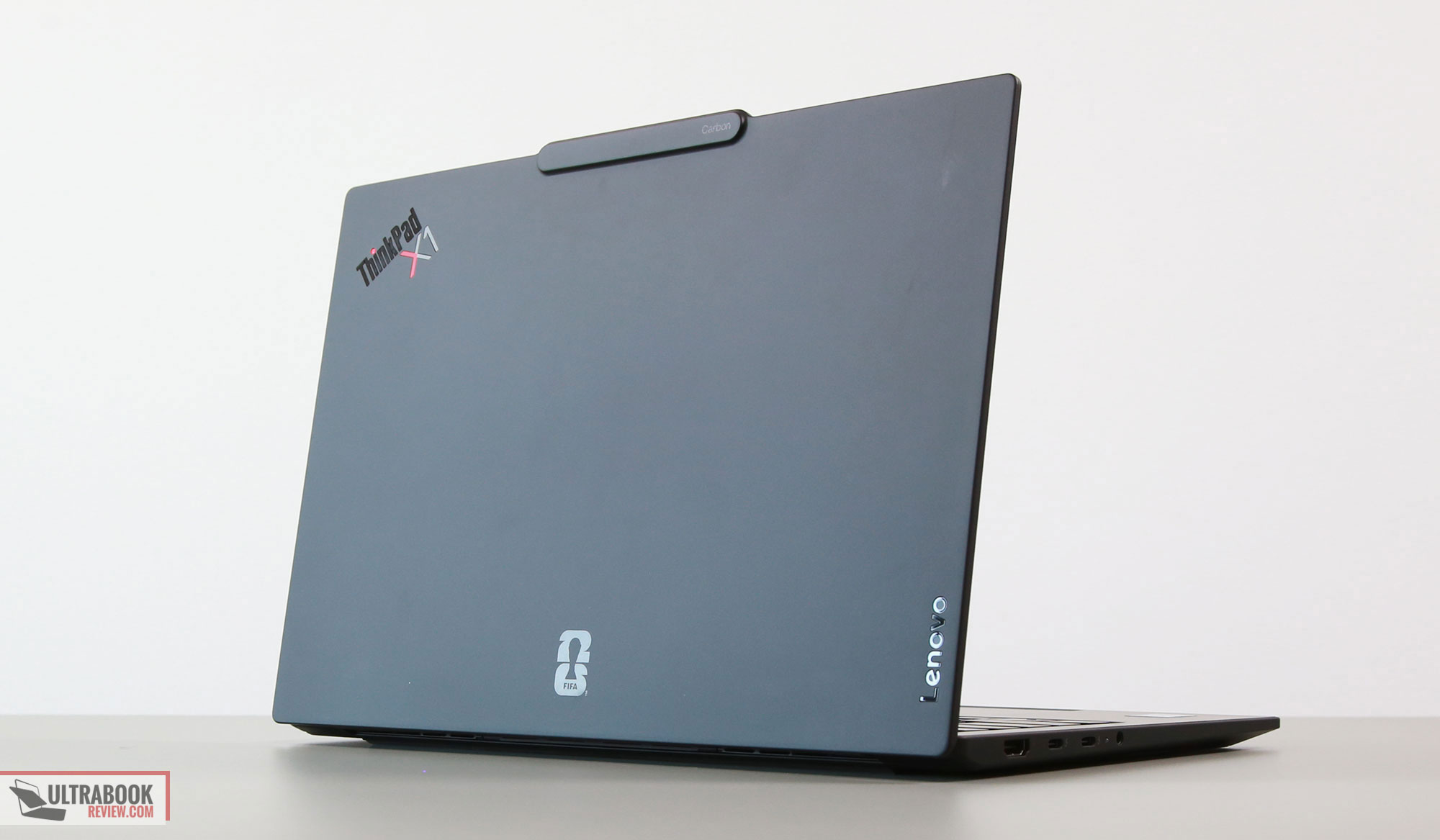
Ultrabookreview has published a detailed review of the fourteenth-generation ThinkPad X1 Carbon and does not spare the superlatives. This is not a typical yearly spec update - Lenovo decided on a complete redesign of the chassis, which for the first time in years fundamentally changes the foundations of the device's construction.
The heart of the new model is Intel Panther Lake processors: Core Ultra 7 356H and Core Ultra X7 358H. The redesigned construction translates into noticeably better cooling during intensive multitasking, and the new internal architecture significantly improves serviceability - which matters a great deal to fans of the ThinkPad brand. The reviewed configuration with the Core Ultra 7 356H and 32 GB of RAM is said to be the optimal compromise between price and performance.
The standout features include exceptionally long battery life, a rich range of displays (including a matte OLED) and ergonomics which, according to reviewers, surpass the direct competition. Ultrabookreview sums it up: this is one of the best ultraportables on the market, deserving to be called the benchmark in this class of devices.
Source: ultrabookreview
ThinkPad X9-15p Gen 1 and E14 G8 - two different paths to success
Alongside the X1 Carbon review, NotebookCheck has published two extensive tests of other models from the ThinkPad family. The flagship ThinkPad X9-15p Gen 1 Aura Edition debuts as a machine with 32 GB of RAM as standard - which in 2026 is becoming the new norm in the premium segment. This model clearly changes course compared with last year's X9: while that one was an answer to the MacBook Air, the X9-15p targets creative users and competes directly with the MacBook Pro.
At the opposite end of the price scale sits the ThinkPad E14 Gen 8 with an AMD Ryzen AI processor. The eighth generation of the popular business laptop continues the proven formula, enriching it with modern connectivity and the computing performance of Ryzen AI chips. The key advantage of the reviewed model is its exceptionally long battery life - a feature appreciated by people who work outside the office for most of the day.
The device is sold with an Office Pro package included, which clearly signals its intended use in the business sector. The ThinkPad E14 G8 fits into Lenovo's strategy of offering modern AI processors in classic, proven chassis - without having to pay a flagship price.
Source: notebookcheck, notebookcheck
Yoga 9i 2-in-1 and LOQ Essentials 15 - all that glitters is not gold
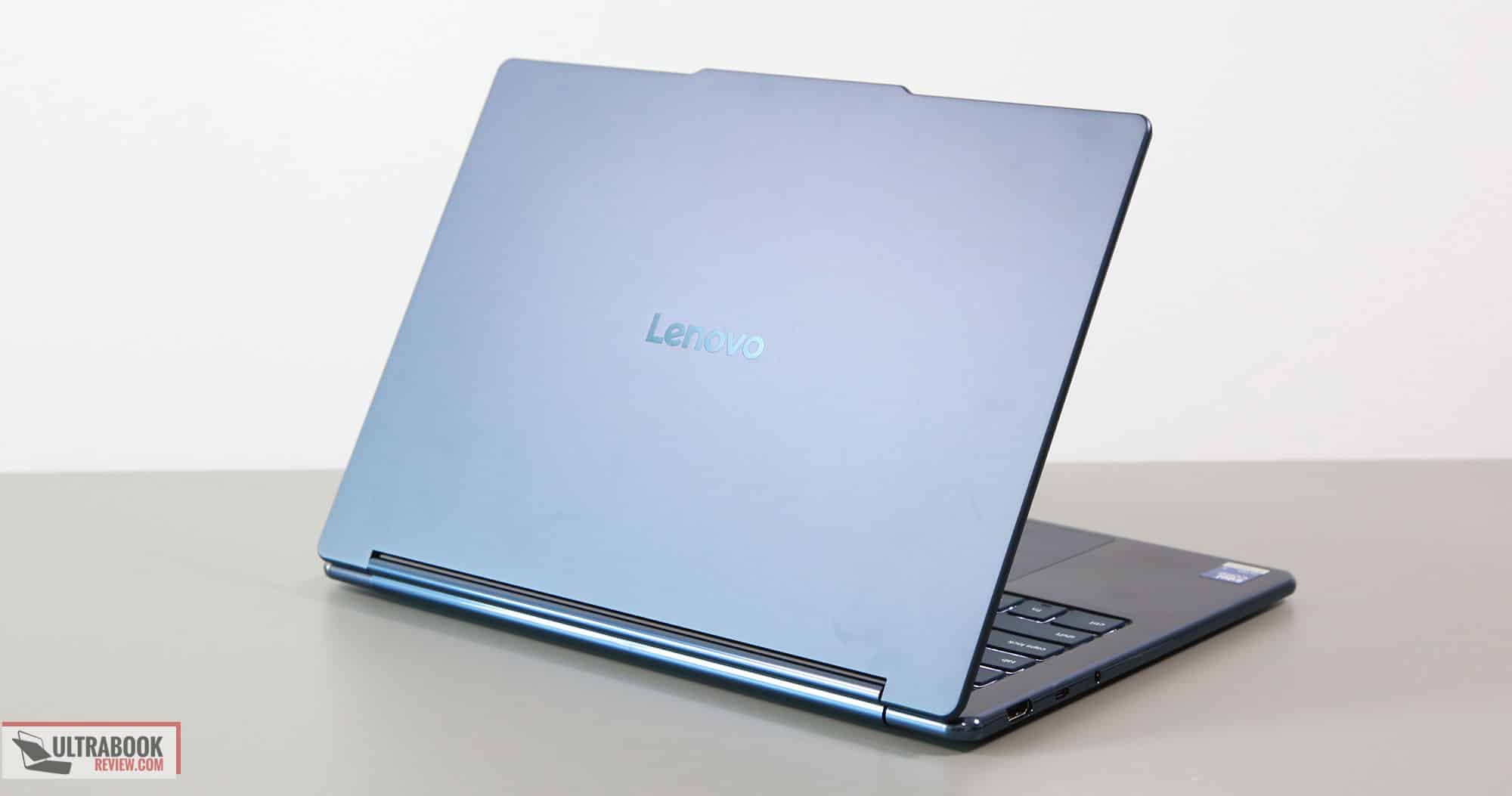
This week's reviews also brought less enthusiastic assessments of two other Lenovo models. The eleventh-generation Yoga 9i 2-in-1 Aura Edition is a device that Ultrabookreview reviewers describe as a moderate evolution. The laptop, powered by an Intel Panther Lake processor from the Core Ultra 3 series, has received a refreshed design, improved ports and a slightly modified chassis, but it lacks a clear performance gain over its predecessor based on Lunar Lake.
This is a significant problem in the context of rising prices - a trend visible across the entire laptop industry in 2026. The Yoga 9i remains one of the more popular convertible formats on the market, but the current generation is intended primarily for everyday use and light multitasking, not for demanding mixed workloads. The absence of higher chipset configurations further narrows the target group.
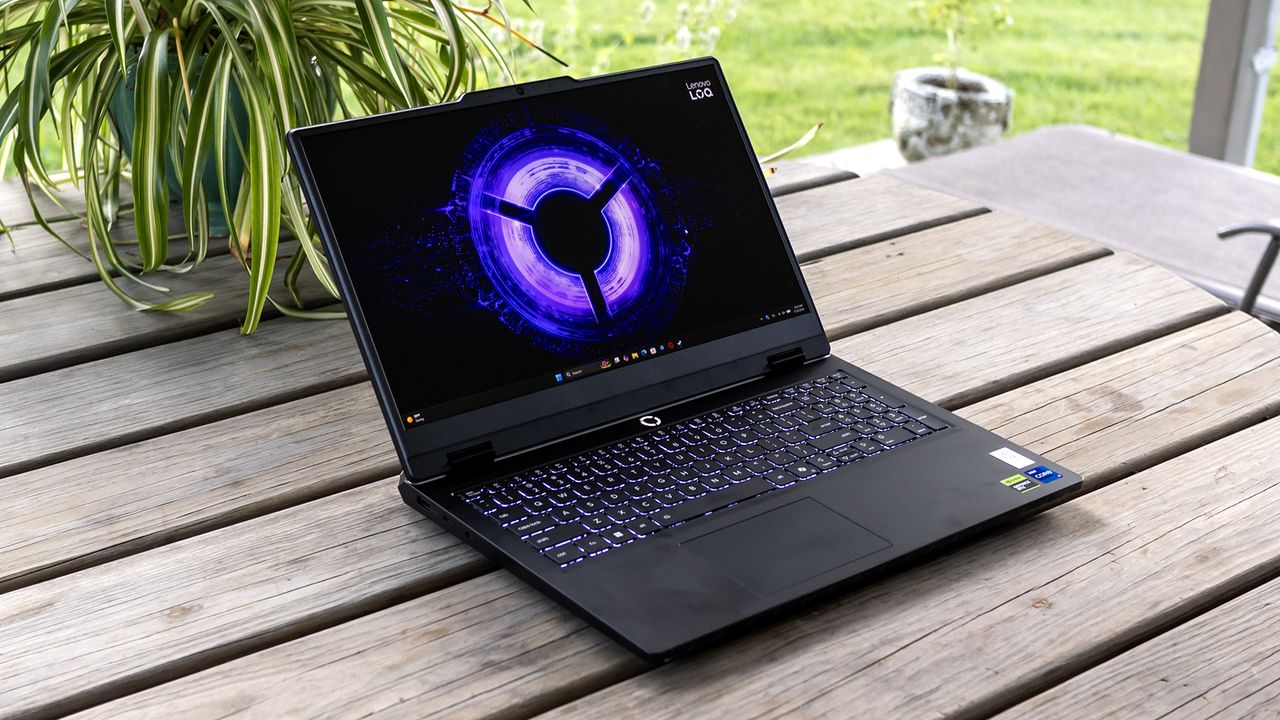
The Lenovo LOQ Essentials 15 Gen 11, in turn, received a mixed review from Tom's Hardware. The gaming laptop does not lack sensible components: an RTX 5060 graphics card, a 144 Hz IPS screen and a solid keyboard all sound encouraging. The problem lies in the graphics card's TGP being limited to just 65 W and in a processor derived from several generations earlier. As a result, for a similar price you can find competing models from Acer, Asus or MSI that offer better gaming results. Tom's Hardware sums it up: the LOQ is practical and solidly built, but it needs stronger performance arguments to really compete.
Source: ultrabookreview, tomshardware
The Legion Go crisis - a BIOS update bricks the console
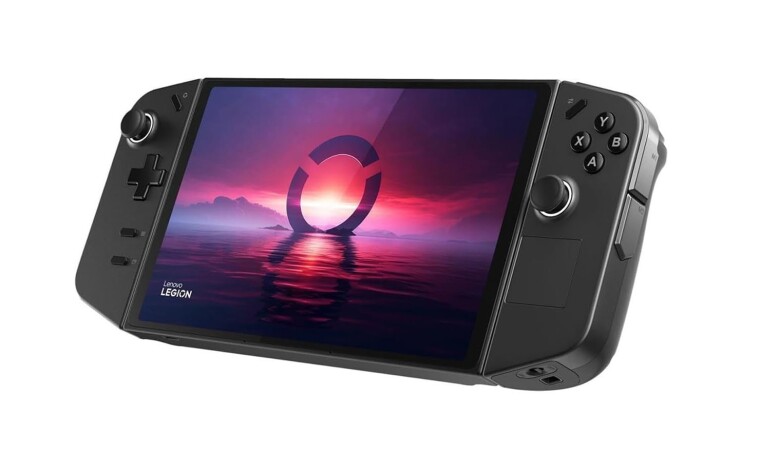
The hottest topic of the week, however, was a problem with the Lenovo Legion Go handheld console. The BIOS update in version N3CN42WW causes the device to become completely unusable - after it is installed, the console stops booting and the screen stays black. Importantly, the power LED and the controller backlight still work, which means the hardware is fine, but the firmware has been irreversibly damaged.
The problem was described independently by the Polish sites ithardware.pl and Spider's Web, while the English-language Neowin brought the matter to international attention. The recovery procedures recommended by Lenovo turn out to be ineffective, which forces users to send the console to an authorised service centre. One affected user received a repair quote exceeding 200 euros - for a fault caused by the manufacturer's own official software.
Errors in BIOS updates are particularly painful because this software is responsible for starting the device even before the operating system loads. A faulty flash can effectively brick even perfectly working hardware. The situation raises serious questions about the quality of regression testing before a firmware update is released, and about Lenovo's policy towards those affected - customers who trusted the manufacturer's official update.
Source: neowin, ithardware, spidersweb
Liquid metal and Premium Care - when the service becomes the source of the problem
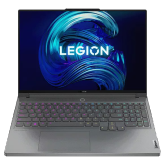
The Legion Go is not the only Lenovo product that made headlines for negative reasons this week. The site PurePc.pl described the story of a user of a Lenovo Legion 7i, whose laptop suffered a serious failure during an intervention by Lenovo Premium Care technicians. During a routine repair of the cooling system, liquid metal leaked and short-circuited the device's motherboard, damaging it.
The key problem is that Lenovo refuses both to refund the money and to replace the damaged equipment - even though the failure occurred solely as a result of the actions of the manufacturer's own service. The story comes from Reddit and quickly gained wide attention, because it touches on a deeper, long-running dispute around the use of liquid metal in gaming laptops.
Liquid metal provides excellent thermal conductivity, but it is extremely sensitive to application and can cause permanent damage on contact with copper or aluminium surfaces outside the designated area. The incident undermines the idea of extended service packages - Premium Care is supposed to give a sense of security, not generate additional risk. For owners of older Lenovo gaming laptops with liquid metal in the cooling system, this is a clear warning: when choosing a service provider, it is worth carefully verifying the technician's competence.
Source: purepc
Lenovo Googlebook 15 - a first look at Google's post-Chromebook era
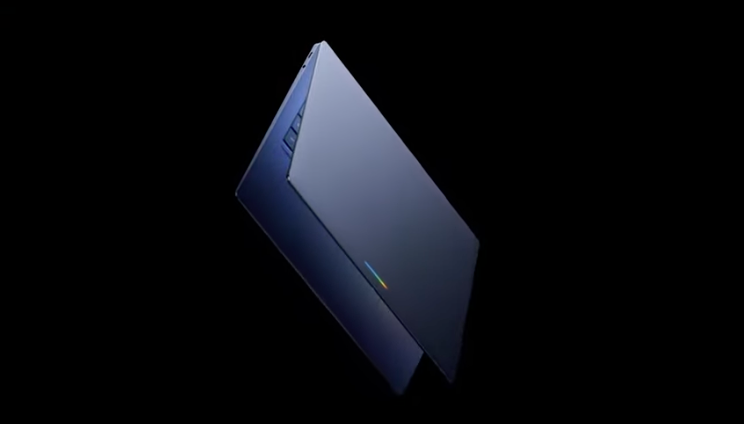
Besides the service problems, an exciting leak of a future product took centre stage. The Lenovo Googlebook 15 is a laptop that is the fruit of a fusion of Android and Chrome OS, with which Google responds to the challenges of the age of artificial intelligence. TechRadar and Digital Trends have published press photos and renders of the device, revealing details of its design.
The laptop presents an elegant body with narrow screen bezels and a webcam hidden in a notch equipped with a privacy shutter. On either side of the keyboard there are solid speakers with Dolby Atmos support, and the touchpad itself is exceptionally spacious for this class of device. On the keyboard, attention is drawn to a dedicated Gemini key - the equivalent of the Copilot key from the Microsoft ecosystem - and a modified Caps Lock that serves as an AI launcher.
Digital Trends reports that the Googlebook line may be broader than initially assumed: besides the 15-inch laptop, Lenovo is preparing a second laptop, a 2-in-1 tablet optimised for Android apps and touch control, and, according to some rumours, also a specialised mouse with AI features. The whole portfolio is set to reach the market in autumn 2026. Whether consumers really need yet another operating system remains an open question - TechRadar makes no secret of its scepticism about mass interest in the product.
Source: techradar, digitaltrends, digitaltrends, techspot
ThinkPads in space and Lenovo on the side of open AI
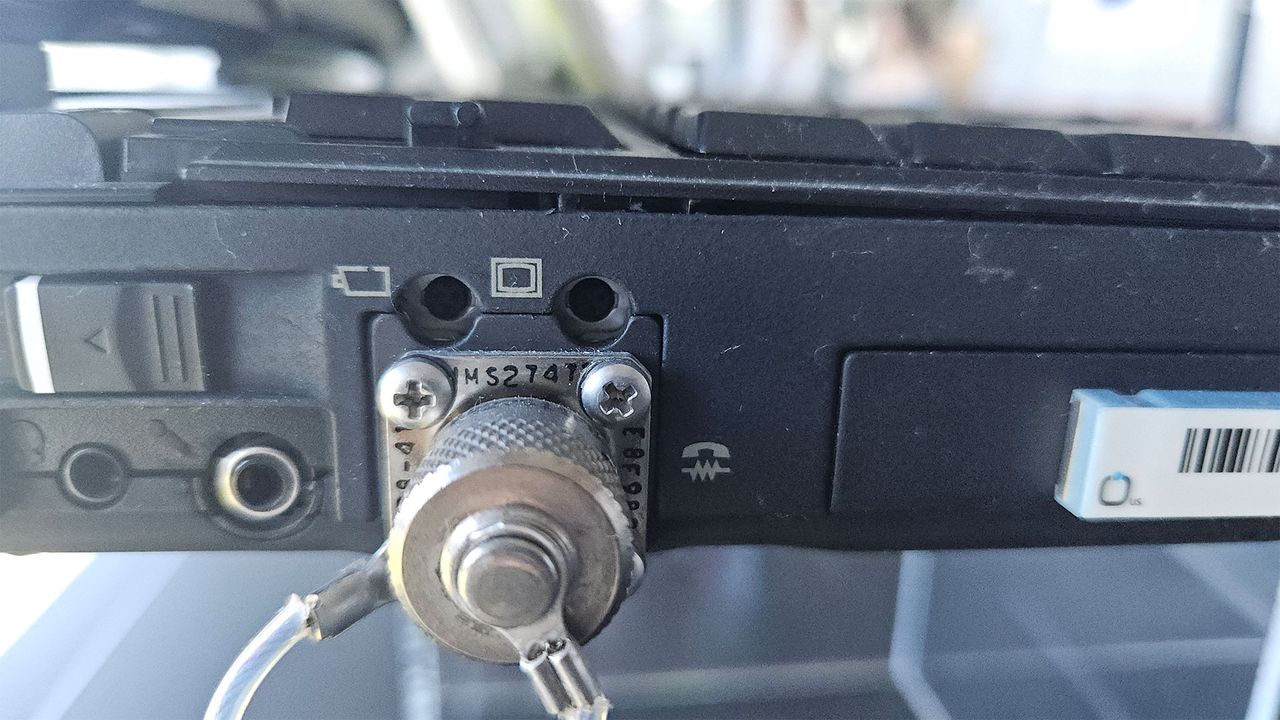
The week also brought two curiosities from completely different areas. Tom's Hardware described a NASA project to standardise chargers on the International Space Station. Engineer George Roush revealed that the modification of laptops intended for the ISS was handled by Lockheed Martin: unused modem ports were removed from them (communication on the station is based on the MIL-STD-1553 protocol, not Ethernet) and replaced with a "cannon plug" socket enabling connection to the on-board DC power supply.
The result? Instead of nine different charger models, it is enough to take just one. In an environment where every gram and every potential point of failure matters, this is a decision with serious operational consequences. Among the modified devices were precisely ThinkPads - which shows that this class has enjoyed trust in the most demanding environments in the world for years.
On another front, Lenovo has joined an international industry coalition signing a letter supporting open-weight AI models. The manufacturer argues that an open approach to artificial intelligence accelerates innovation and democratises access to advanced tools - for small businesses and developers alike. The declaration fits into a growing industry trend, where more and more players are speaking out in favour of open standards as the foundation of a healthy AI ecosystem.
Source: tomshardware, lenovo-press
The first week of August 2026 showed Lenovo in many guises at once: as the maker of some of the best business laptops and ultraportables on the market, but also as a company struggling with serious quality and service problems in the Legion and Yoga lines. The upcoming Googlebook looks interesting, but the key question about value for the user remains unanswered. If you already own a Lenovo laptop and are looking for original spare parts - covers, lids, bezels, keyboards, touchpads, fans, cables and other parts - visit www.abcdeal.pl. In our shop you will find original components for models from the ThinkPad, IdeaPad, Legion and ThinkBook series, thanks to which your device will serve you for many more years.
Sources:
- Lenovo ThinkPad E14 G8 review - AMD update for the classic ThinkPad with long battery life - notebookcheck
- Powerhouse flagship laptop with 32 GB RAM as standard: Lenovo ThinkPad X9-15p Gen 1 review - notebookcheck
- Lenovo LOQ Essentials 15 Gen 11 Review: A good display meets a low-power RTX 5060 - tomshardware
- Lenovo ThinkPad X1 Carbon review (gen 14 2026, Panther Lake Core Ultra, matte OLED) - ultrabookreview
- Lenovo Yoga 9i 2-in-1 Aura Edition review (2026, Intel Panther Lake, OLED) - ultrabookreview
- Lenovo Legion Go BIOS update is bricking the device, and repairs are extremely expensive - neowin
- Black screen after a BIOS update. Legion Go owners are furious - ithardware
- The first Googlebook shows us what Google's Android-ChromeOS merger actually looks like - techspot
- Failure after a Lenovo Premium Care intervention. Liquid metal short-circuited the Legion 7i motherboard, and the company offers neither a refund nor a replacement - purepc
- Lenovo will break your console. And make you pay a hefty sum for it - spidersweb
- Lenovo Signs Industry Letter Supporting Open-Weight AI - lenovo-press
- NASA modded space station's laptops so everyone could use the same charger - tomshardware
- After months of silence, the first Googlebook has been spotted - and it looks nifty, but will anyone really care? - techradar
- New Lenovo leak just gave us our best look at Google's post-Chromebook gamble - digitaltrends
- Lenovo's Googlebook lineup could include two laptops, a 2-in-1 tablet, and an AI mouse - digitaltrends
Message from: 09-08-2026